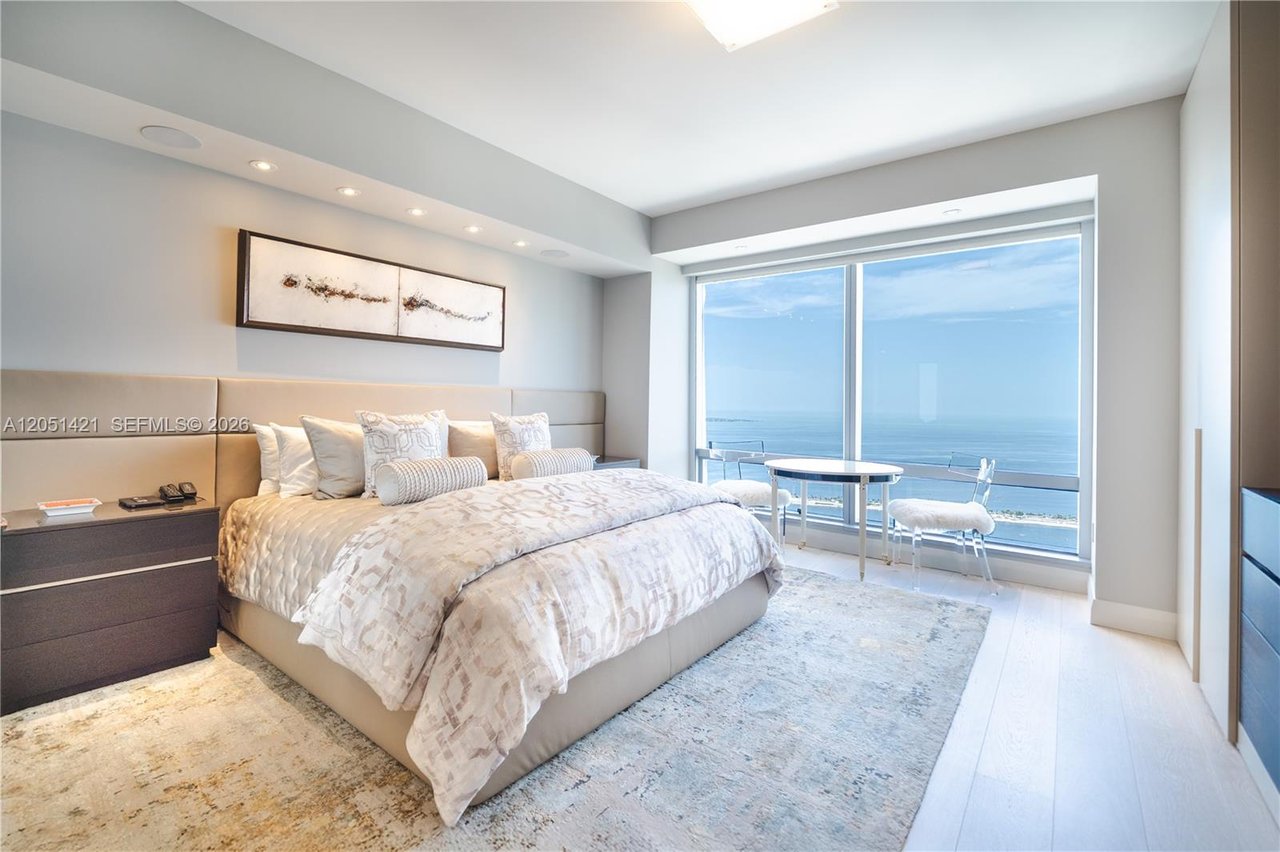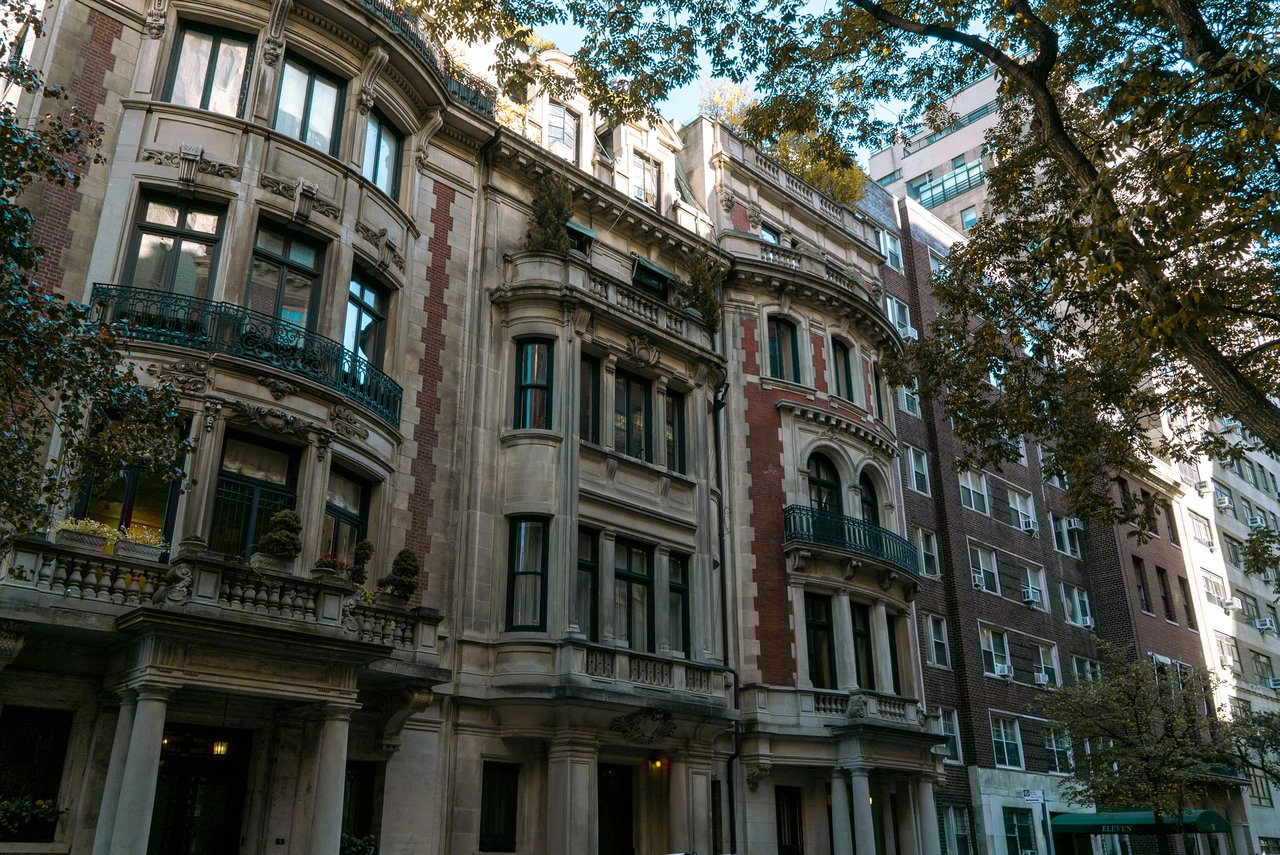
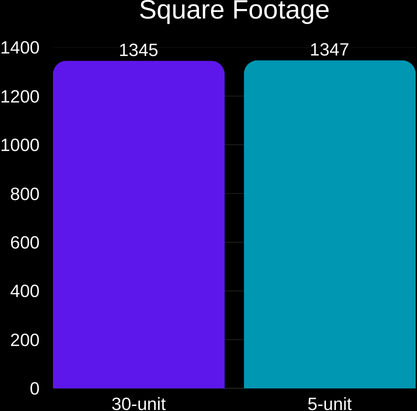
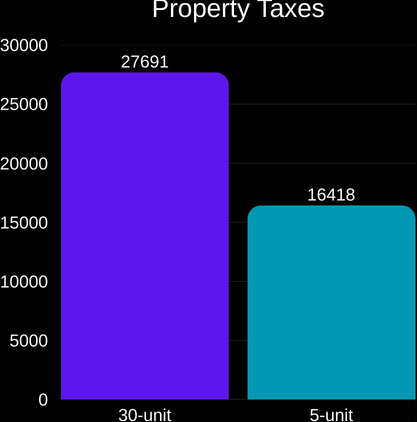
Regardless of square footage, property taxes in NYC can differ greatly based purely on the amount of units, which many affect a property owner’s choice of what to purchase. One particularly stark example of this disparity in taxes can be seen in the annual property taxes of two pre-war condo units of similar square footage in the Lower East Side on the following page.
175 East Broadway #2A
184 Bowery #2
Despite the units having near identical square footage in the same neighborhood, the taxes the people owning these units have to pay annual vary dramatically due to their building’s amount of units.
But why is this the case?
>10 Units
Although both buildings are considered “Class 2,” Class 2 buildings with 10 or fewer units benefit from a state law that caps assessed value increases at 8% from the prior year or 30% over five years. In a period of rising prices in the real estate market, this prevents owners from paying taxes that match the market value. In the given example, this building is 184 Bowery.
<10 Units
On the other hand, Class 2 buildings with more than 10 units have no assessed value growth cap. While, changes in assessed value are phased in over 5 years, this ultimately does not prevent the massive changes in taxes that buildings with 10 or fewer units are not subject to. In the given example, this building is 175 East Broadway.
<3 Units
Similarly to “10 or fewer” buildings, buildings with one to three units (Class 1) also have caps on their assessed value increases. They are stuck at 6% from the prior year or 20% over 5 years, even more restricted than the “10 or fewer” buildings.
Key Takeaways
- Owning a unit in a building with more than 10 units will lead to higher taxes.
- Owning a unit in a building with 10 or fewer units, or even better, 3 or fewer units, will lead to a capepd growth in taxes.
- Neighborhood and square footage don’t make as much of a difference as people expect.
- Research the building before you purchase a unit in it.