Navigating the relationship between landlords and residents often comes down to one phrase: “normal wear and tear.” Whether you are moving in or moving out, understanding this concept is the secret to a stress-free experience. It’s essentially the baseline for what happens to a home simply by being lived in, helping everyone distinguish between expected aging and preventable damage.
What is “Normal” Aging?
Experts define wear and tear as the predictable, minor deterioration that happens over time. Think of it as a home's natural aging process—like slightly faded paint, loose door hinges, or minor carpet thinning. These are the "footprints of life" and are expected by landlords.
When it Becomes “Damage”
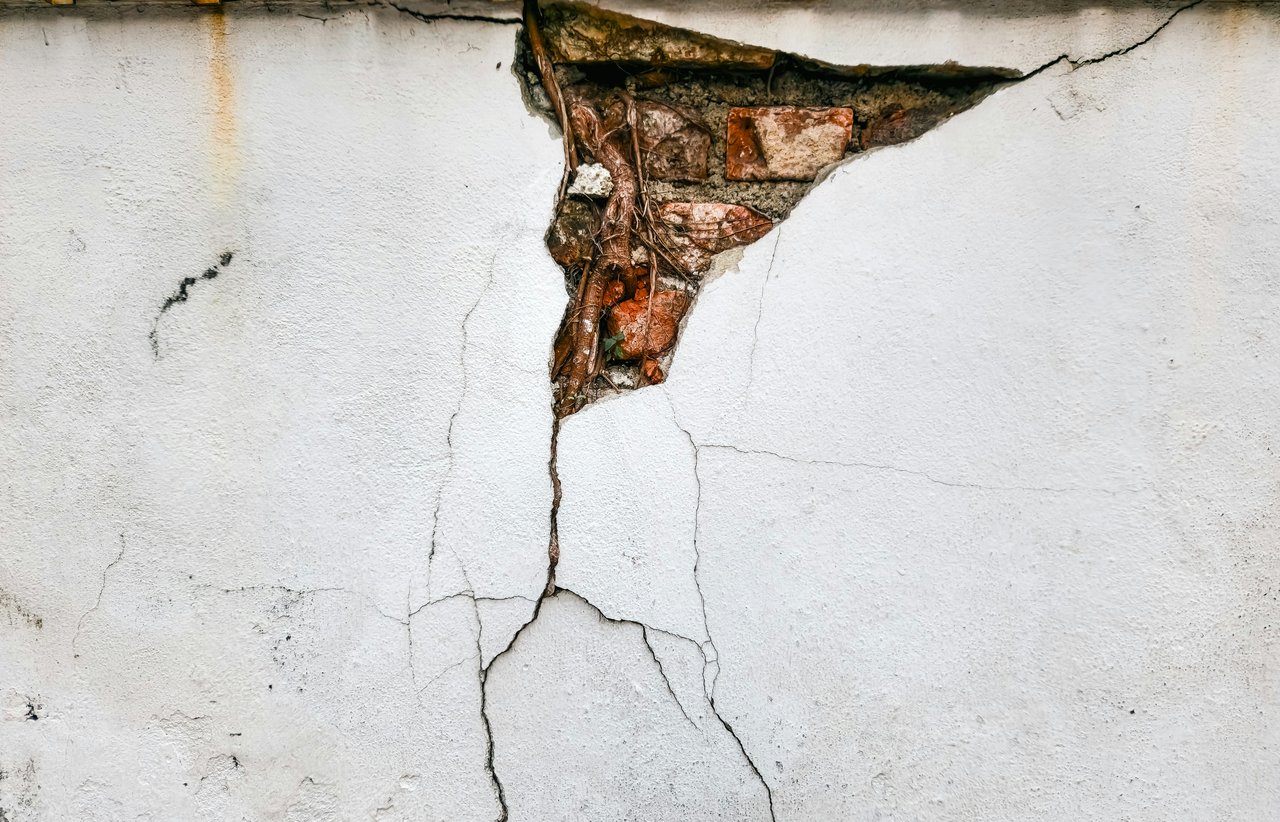
Unlike the subtle aging of a home, apartment damage is caused by negligence or accidents. Analysts point out that while a scuffed baseboard is normal, a hole in the wall or a broken window is not. Damage often requires costly repairs and can be deducted from your deposit.
Respecting the Investment
Treating a rental with care goes a long way. Beyond avoiding damage, taking small steps like cleaning windows or wiping walls shows respect for the property owner’s investment. Distinguishing between "living" in a space and "mistreating" it ensures a glowing reference for your next home.
The Owner’s Responsibility
For property owners, wear and tear is a standard cost of doing business. Landlords factor these minor repairs into their maintenance budgets and should not charge residents for them. They expect a home to age naturally and focus their attention on significant repairs instead.
The Move-out Inspection
The final walkthrough is when these definitions matter most. To avoid disputes, experts recommend documenting the property with photos both at move-in and move-out. Having a clear record makes it easy to prove what is fair aging versus what is an actual repair.
Summing it Up 💡
- Instant Gratification: Enjoy a brand-new home without the typical 12+ month construction timeline.
- Smart Design: Built by experts using styles that maximize your home’s future resale value.
- Full Transparency: You see the exact finished product before you sign, eliminating any construction surprises.