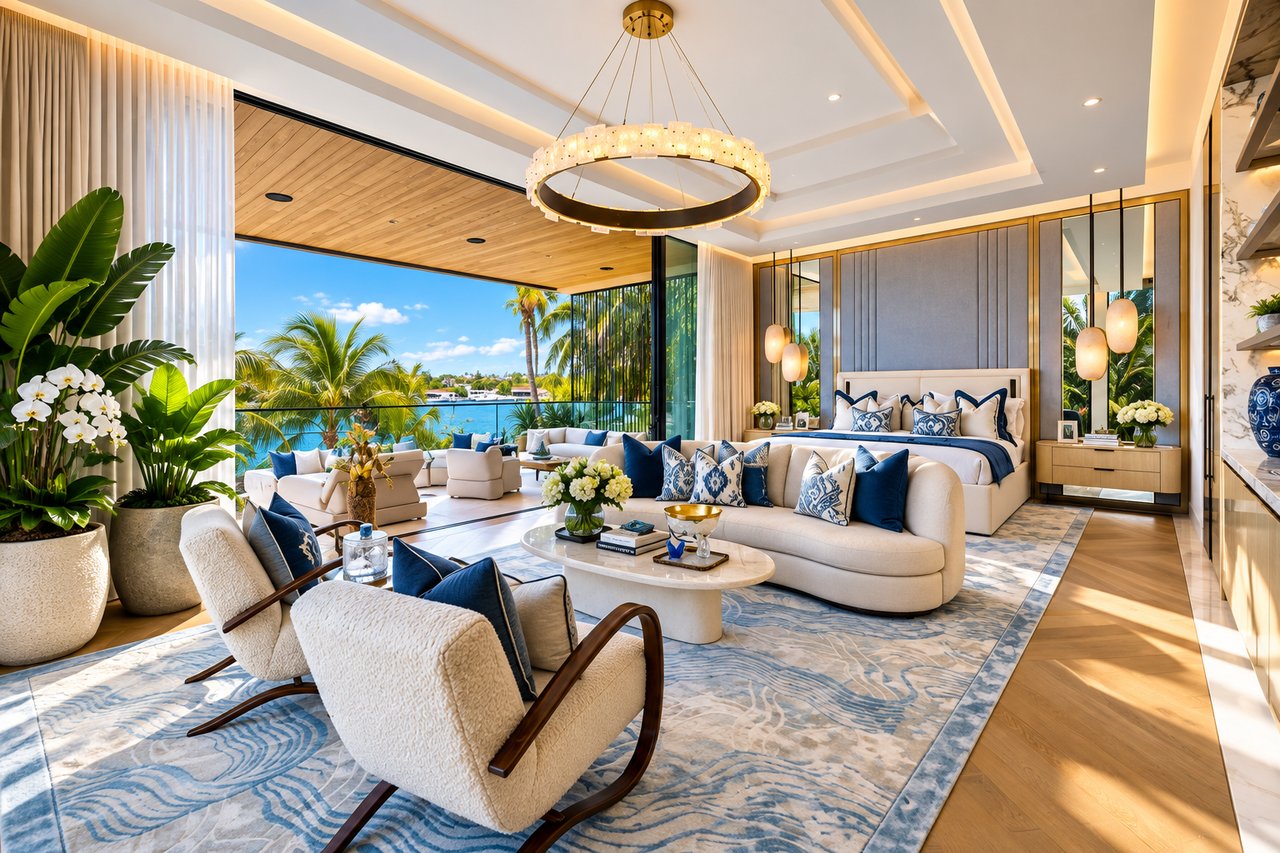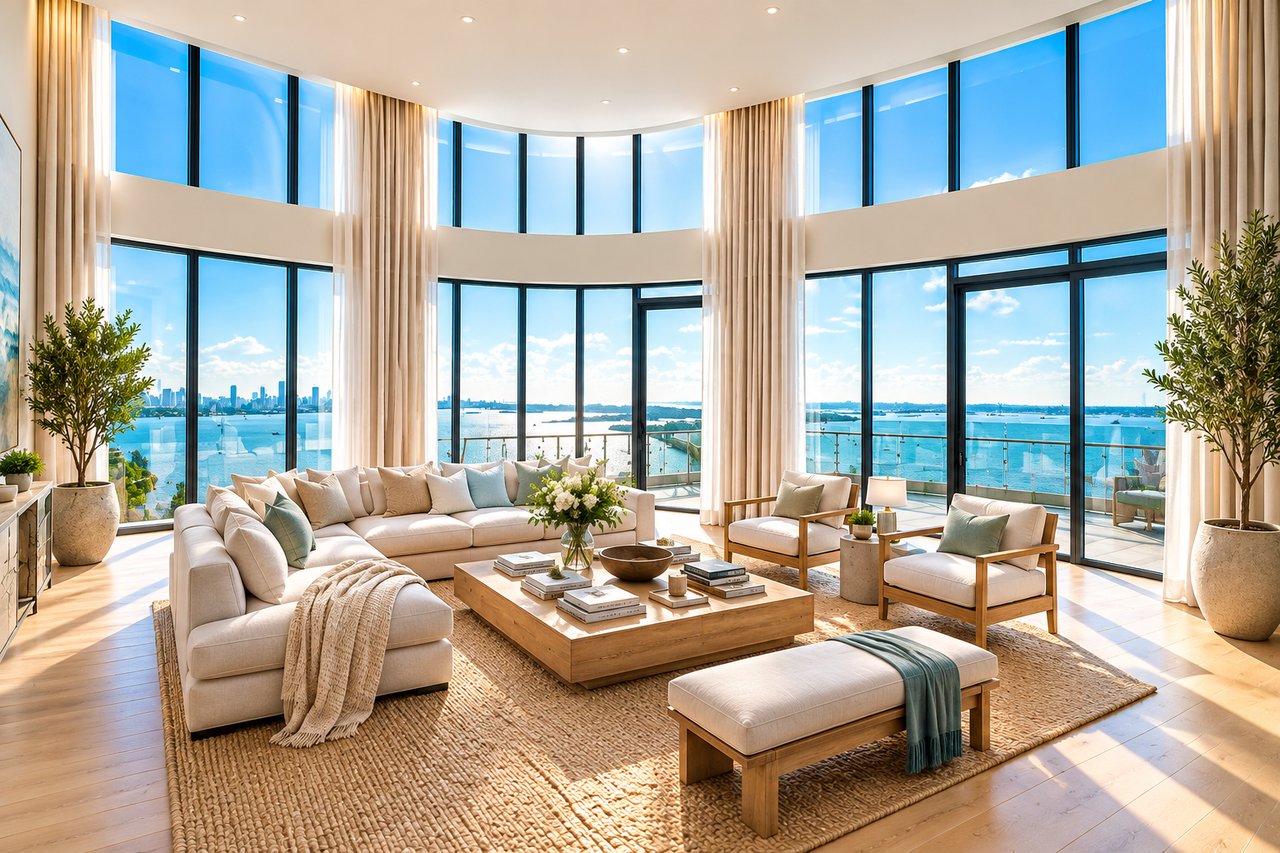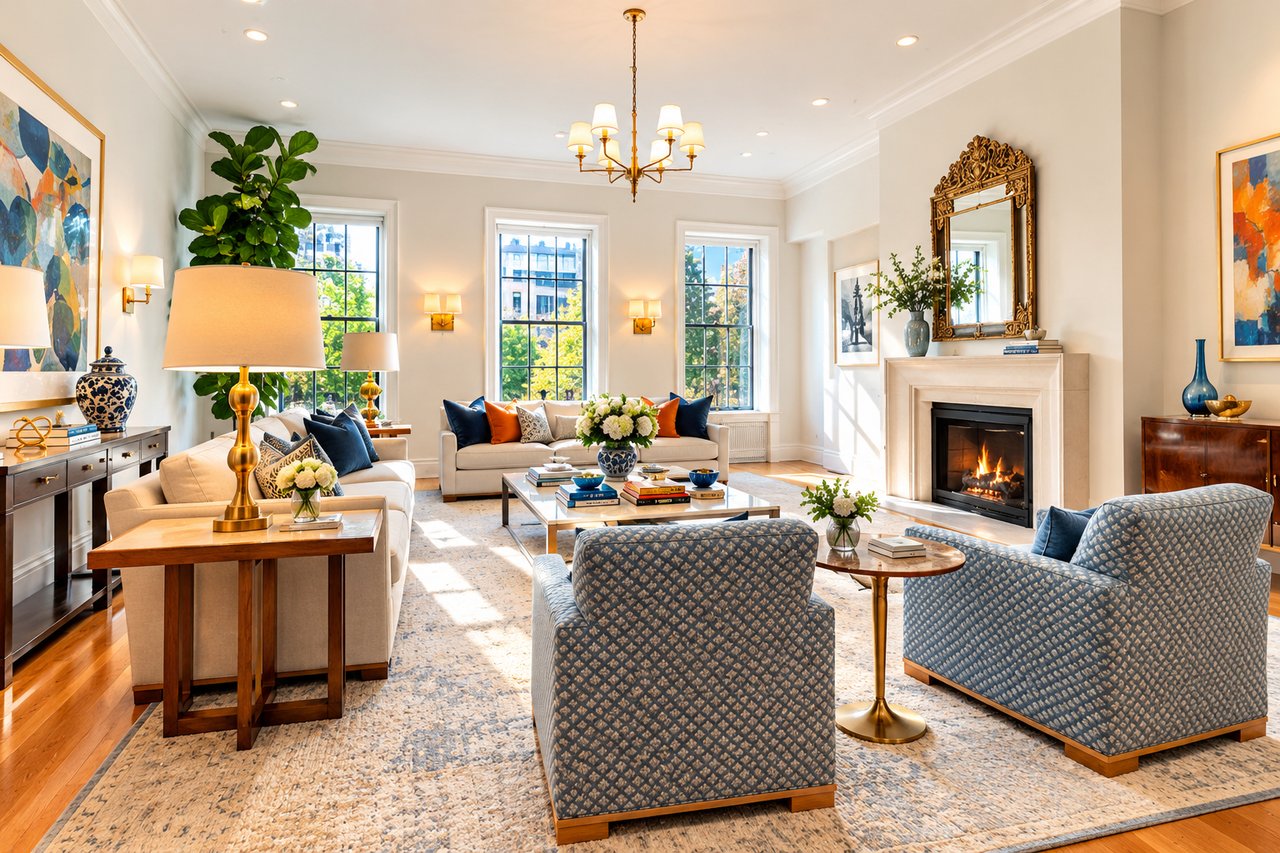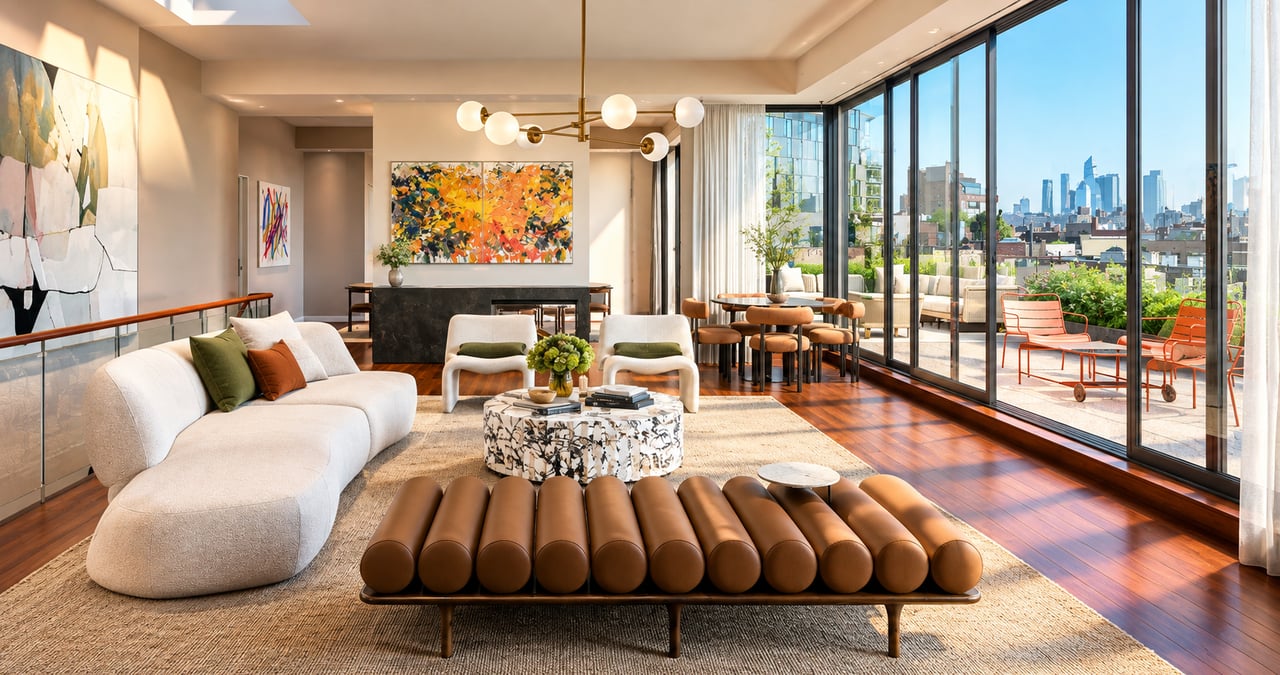
The conversion of the Flatiron Building from an office tower to luxury residential condos is capturing global attention. This monumental project presents fascinating design and real estate challenges that could set a precedent for future conversions.
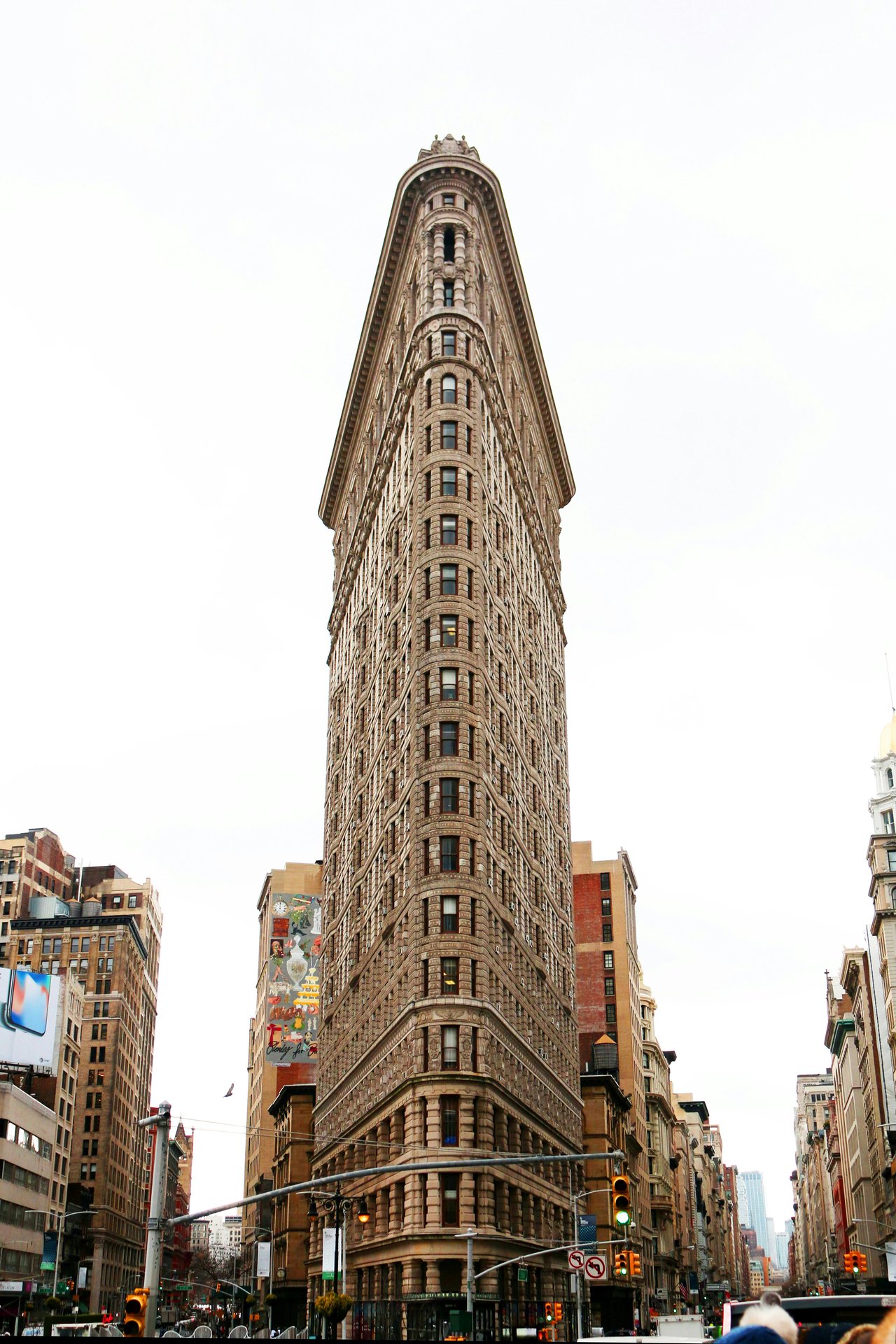
The building’s striking, narrow triangular shape presented a major architectural puzzle. The development team faced the mathematical challenge of creating gracious, spacious, and livable apartments on floors that inherently lack traditional right angles. Successfully figuring out how to "square a triangle" was the critical first step to unlocking the building's residential potential and maximizing its value.
The key to resolving the complex layouts came from an architectural designer. They proposed elongating, narrowing, and rotating the central mechanical core (which houses essential elements like elevators and fire stairs) so it ran parallel to Broadway. This innovative change allowed rooms on the western side of the building to be largely rectilinear, making full-floor units a practical and highly desirable reality.
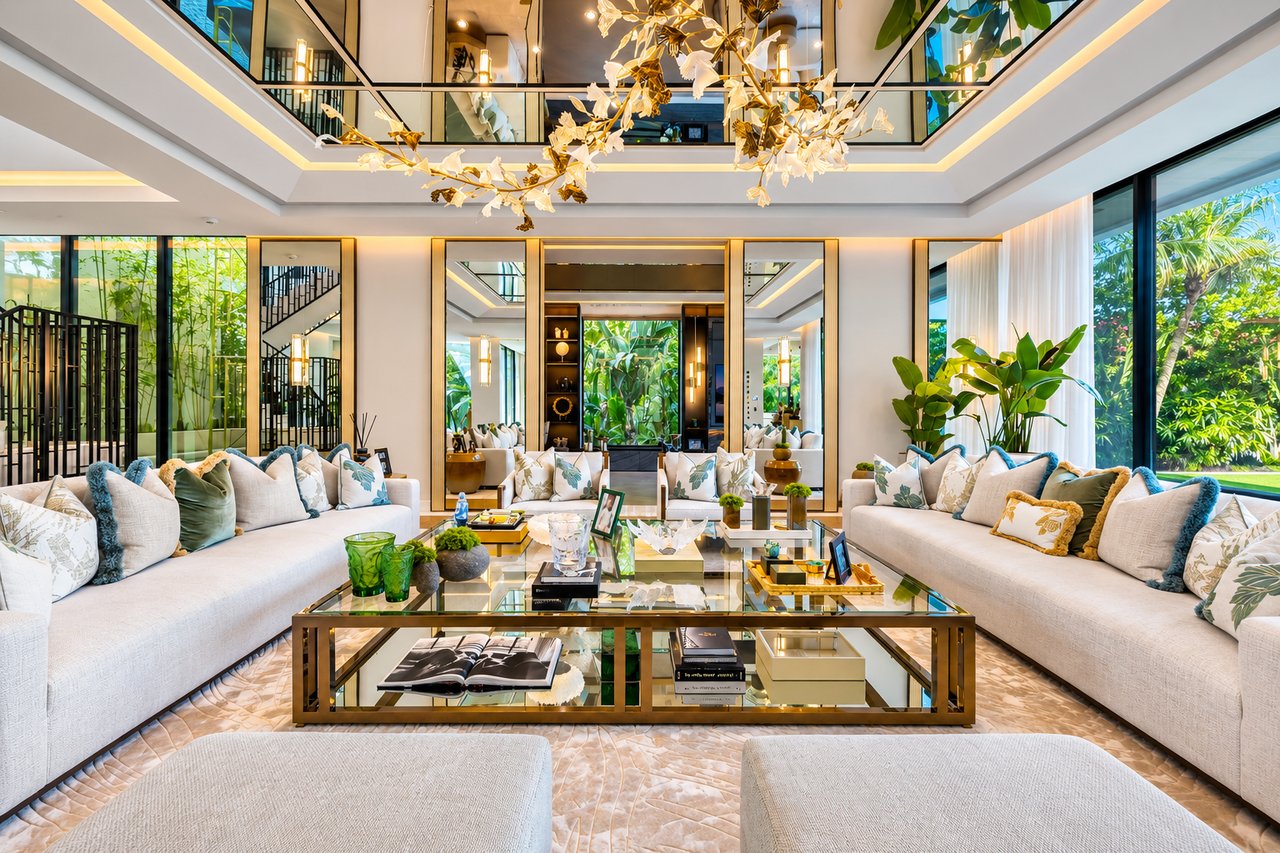
The interior design embraces both the building's rich history and modern luxury standards. While amenities like lavish master baths feature huge slabs of Vermont marble, the structure's industrial past is celebrated. Original diagonal steel braces and structural columns remain exposed throughout the units, grounding the modern condo aesthetic in the Flatiron's 1902 steel-frame skyscraper origins.
Beyond structural elements, the designers are bringing back historic details by repurposing unique artifacts discovered in the building's basement. For example, spiraling spindles from the old staircase balustrades are being restored and used as custom legs for powder room basins. Even steampunk fittings from the original boilers are set to decorate the new building gym, adding an incomparable layer of history and character.
Despite the necessity of some architectural quirks in the units—such as curved master bedrooms and diagonal hallways—the market response has been exceptionally strong. Sales and marketing teams report substantial interest, active negotiations, and contracts out. With units starting at $11 million, the project is expected to yield over $700 million, confirming the high value premium placed on iconic, one-of-a-kind properties.
Key Takeaways
- Landmark status demands, and can absorb the cost of, highly creative architectural solutions.
- Unconventional shapes become assets when paired with visionary design that optimizes space flow.
- History is a Selling Point: Integrating and showcasing original, historic elements boosts a property's unique appeal and luxury value.