Information via Spectrum News
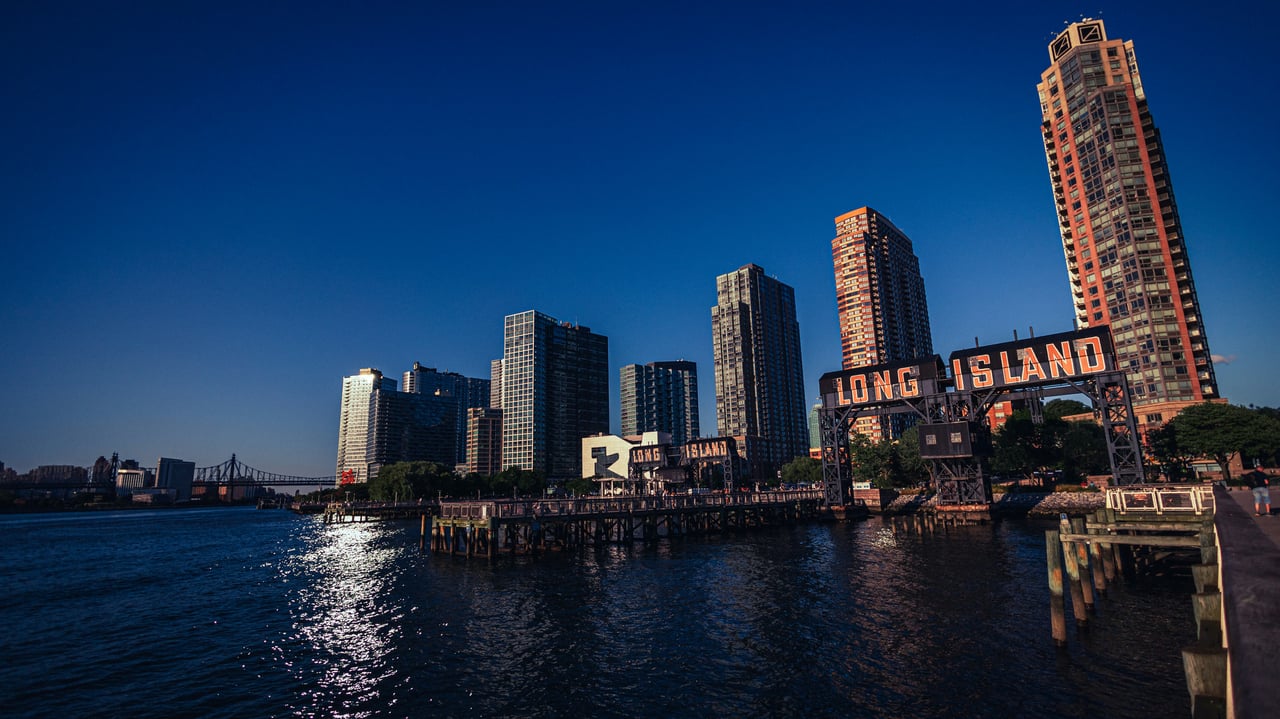
For those tracking development in Queens, the newly approved OneLIC rezoning plan is a critical event.
This large-scale zoning change will impact 54 blocks of Long Island City, paving the way for significant residential and commercial growth.
It also signals a major long-term commitment to the area's infrastructure and housing supply.
The Objective
The primary objective is to alleviate the city's housing shortage. The approved plan is projected to facilitate the creation of approximately 15,000 new residential units over the next 15 years. For real estate developers and investors, this action unlocks substantial land-use potential, allowing for higher-density projects in a prime waterfront location.
This rezoning is also distinguished by its use of the MIH program, which mandates that roughly 4,350 of these new units will be permanently affordable. Developers must now factor this requirement into their pro-formas, as it ensures a significant portion of the housing stock is dedicated to lower and moderate-income households, shaping the area's socioeconomic mix.
Implications on the Market and Community
The sheer volume of new inventory will reshape the supply dynamics in LIC. In the near term, the increased housing availability may moderate rental and sale price growth. However, the long-term outlook suggests that the rise in population density will drive sustained demand for local retail and services, generally supporting growth in commercial property values.
A crucial component of the deal is the commitment of nearly $2 billion in community investments. This capital is earmarked for vital infrastructure improvements, including funding for new public school seats, expanded waterfront access, and, notably, critical upgrades to the area's aging sewer and utility systems to enhance flood resilience.
The primary risk factor involves gentrification and market displacement. While the MIH units provide insulation, the influx of market-rate, high-end development may accelerate appreciation in existing properties. This could pressure owners of older buildings to raise rents, potentially impacting the tenure of long-standing local residents and small businesses.